


Pre-Purchase Inspection Checklist: What to Have a Mechanic Check
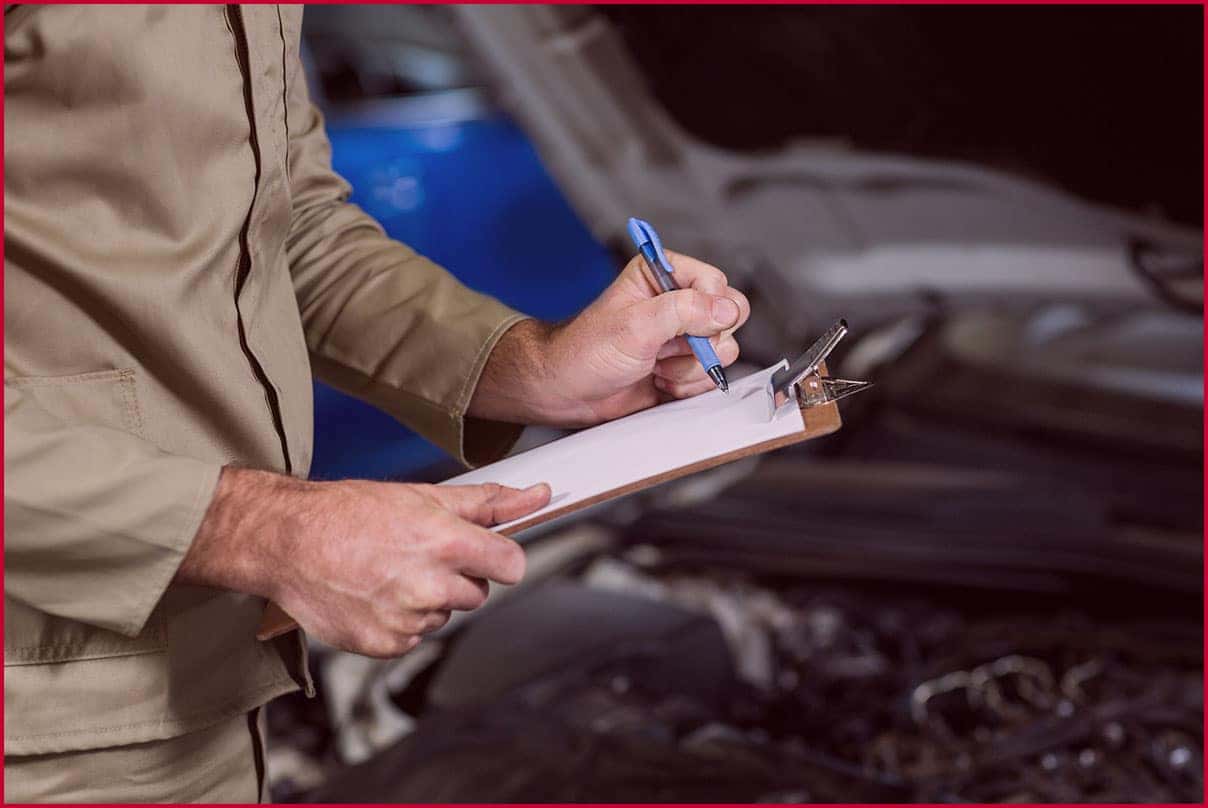 Buying a used car in Washington can be a smart way to get the vehicle you need without paying new-car prices. But even a clean-looking car with a good vehicle history report can have mechanical problems that aren’t obvious during a quick walk-around or test drive.
That’s why an independent pre-purchase inspection (PPI) is an important step before buying a used vehicle. The Federal Trade Commission (FTC) recommends having a used car inspected by an independent mechanic before you buy. Washington State Department of Licensing also recommends an independent inspection to help identify hidden damage.
If you’re shopping for used cars in Federal Way, WA, here’s what a mechanic should check before you make a purchase.
What Is a Pre-Purchase Inspection?
A pre-purchase inspection is a mechanical evaluation performed by a qualified technician before you buy a used vehicle. The exact inspection will vary depending on the mechanic, vehicle, age, mileage, and type of service requested.
A thorough inspection should look beyond cosmetic condition and evaluate the vehicle’s major mechanical, electrical, safety, and structural components.
A PPI can uncover issues that may not appear in a vehicle history report. The FTC specifically notes that a history report is not a substitute for an independent inspection because history reports typically won’t identify every mechanical problem.
Pre-Purchase Inspection Checklist
Use this checklist when discussing the inspection with a mechanic.
1. Engine and Under-Hood Components
The engine is one of the most important areas to inspect on a used vehicle.
A mechanic may check for:
- Oil or coolant leaks
- Unusual engine noises or vibrations
- Fluid levels and condition
- Worn belts and hoses
- Signs of overheating
- Cooling system condition
- Engine mounts
- Visible corrosion or damage
- Evidence of previous repairs
The mechanic can also look for signs of oil, coolant, or other fluid leaks that may indicate a developing problem.
2. Transmission and Drivetrain
Transmission problems can be expensive, so they deserve close attention during a used car inspection.
Depending on the vehicle, the mechanic may check:
- Transmission fluid condition and leaks
- Smoothness of gear changes
- Delayed or harsh shifting
- Clutch operation on manual transmissions
- Driveshafts and axles
- CV joints and boots
- Differential components
- Four-wheel-drive or all-wheel-drive operation
A test drive can help identify hesitation, slipping, unusual noises, or other drivetrain concerns that aren’t obvious while the vehicle is parked.
3. Brakes
Brakes are a key safety component and should be inspected before purchasing any used vehicle.
Ask the mechanic to check:
- Brake pad thickness
- Rotor condition
- Brake lines and hoses
- Brake fluid
- Calipers
- Parking brake operation
- Brake pedal feel
If the vehicle pulls to one side, vibrates while braking, or produces unusual noises, make sure those concerns are included in the inspection report.
4. Tires, Wheels and Suspension
Tires can tell you more than just how much tread is left. Uneven wear may point to alignment, suspension, or steering problems.
The inspection can include:
- Tire tread and condition
- Uneven tire wear
- Cracks, bulges, or other visible damage
- Wheel condition
- Shocks and struts
- Ball joints
- Tie rods
- Suspension bushings
- Wheel bearings
A mechanic can also identify whether tire wear appears consistent across the vehicle or suggests another underlying problem.
5. Steering and Handling
The steering system should respond predictably without excessive play, vibration, or unusual noises.
During the inspection and test drive, a mechanic may look for:
- Steering play
- Pulling to one side
- Steering-wheel vibration
- Unusual noises when turning
- Alignment concerns
- Problems with power steering components
These issues can affect both drivability and safety.
6. Electrical Systems and Interior Features
Electrical problems aren’t always immediately obvious, especially during a short test drive.
Have the mechanic check or test features such as:
- Headlights and exterior lights
- Turn signals and brake lights
- Dashboard warning lights
- Power windows and locks
- Mirrors
- Climate control
- Heating and air conditioning
- Wipers and washers
- Backup camera
- Infotainment system
- Other major electronic features
A mechanic can also check whether warning lights appear during startup and whether they behave normally once the vehicle is running.
7. Body, Frame and Signs of Previous Damage
A mechanical inspection should also include a visual check for evidence of previous damage.
Look for:
- Uneven panel gaps
- Mismatched paint or body panels
- Signs of previous body repair
- Corrosion
- Damaged or improperly repaired components
- Signs of water intrusion
- Possible frame or structural concerns
A difference in paint or panel alignment doesn’t automatically mean a vehicle had a serious accident, but it can be a reason to investigate further.
For more tips on evaluating a used vehicle before buying, see our guide on what to look for in a used vehicle.
8. Undercarriage
Some problems are much easier to spot from underneath the vehicle.
The mechanic may inspect for:
- Fluid leaks
- Rust or corrosion
- Damaged exhaust components
- Oil-pan or transmission leaks
- Damaged suspension components
- Signs of previous repairs
- Damage from impacts or road debris
This can be particularly useful when evaluating an older vehicle or one that has spent significant time in wet conditions.
9. Computer Diagnostics
Many modern vehicles rely on onboard computer systems to monitor engine, emissions, safety, and other components.
A mechanic may use an OBD-II scanner to look for:
- Active diagnostic trouble codes
- Pending codes
- Stored codes
- Warning-light issues
- Emissions-related faults
- Readiness monitor status
A diagnostic scan is useful, but it isn’t a complete mechanical diagnosis. A vehicle can have a problem without immediately producing a diagnostic trouble code.
10. Test Drive
A test drive gives the mechanic an opportunity to evaluate how the vehicle actually performs on the road.
Pay attention to:
- Engine performance
- Transmission shifting
- Braking
- Steering
- Suspension
- Acceleration
- Unusual noises or vibrations
- Warning lights
- Ride quality
If possible, drive the vehicle under different conditions, such as low-speed streets and normal highway speeds, so potential problems are easier to identify.
Biggest Red Flags During a Pre-Purchase Inspection
Not every issue found during a PPI means you should walk away. Used vehicles can have normal wear and maintenance needs.
However, some findings deserve closer attention, including:
- Possible structural or frame damage
- Major engine problems
- Serious transmission issues
- Significant brake or steering problems
- Severe corrosion
- Evidence of water intrusion
- Multiple unresolved diagnostic trouble codes
- Major fluid leaks
- Safety-related defects
Ask the mechanic which issues require immediate attention and which are normal maintenance items. A written inspection report with estimated repair costs can help you understand the potential expense. The FTC specifically recommends asking for a written report and repair-cost estimates.
What If the Mechanic Finds Problems?
Finding a problem doesn’t automatically mean the vehicle is a bad purchase.
Start by separating the findings into three categories:
Immediate repairs: Problems that could affect safety or prevent the vehicle from operating properly.
Near-term maintenance: Items that may need attention soon but don’t necessarily make the vehicle unsafe to drive.
Normal wear: Components that show expected wear for the vehicle’s age and mileage.
Ask the mechanic how serious each issue is, what it would cost to repair, and whether there are other related components that should be checked.
You can then use that information when deciding whether the vehicle and its overall condition fit your budget.
How Much Does a Pre-Purchase Inspection Cost?
The cost of a PPI varies depending on the mechanic, location, vehicle, and inspection depth. Some inspections are basic visual and mechanical checks, while others may include more extensive diagnostics.
Before scheduling an inspection, ask:
- What does the inspection include?
- Will the vehicle be lifted?
- Is a diagnostic scan included?
- Will the mechanic provide a written report?
- Are repair estimates included?
- How long will the inspection take?
The inspection fee is an additional upfront cost, but it may help you identify expensive problems before you commit to the purchase.
Should You Get a PPI When Buying From a Dealership?
Yes, an independent inspection can still be useful when buying from a dealership.
The FTC recommends an independent mechanical inspection even when a dealer has already inspected or certified the vehicle.
If the dealer doesn’t allow the vehicle to leave the lot, the FTC notes that a mobile inspection service may be an option. You can also ask whether the dealer can arrange for the vehicle to be inspected at a facility you choose.
Washington State DOL likewise advises buyers to have a used vehicle independently inspected before purchasing.
Quick Pre-Purchase Inspection Checklist
Before buying a used car, make sure the inspection covers:
☐ Engine and fluids
☐ Transmission and drivetrain
☐ Brakes
☐ Tires and wheels
☐ Suspension
☐ Steering
☐ Electrical systems
☐ Interior features
☐ Body and previous repairs
☐ Frame and structural components
☐ Undercarriage
☐ Computer diagnostics
☐ Test drive
☐ Recall check
☐ Written inspection report
Combine a Vehicle History Report With a Mechanical Inspection
A vehicle history report and a pre-purchase inspection serve different purposes, so using both can give you a more complete picture of a used vehicle.
A history report may provide information about previous ownership, accidents, repairs, title history, and other reported events. However, it can’t identify every mechanical problem. The FTC recommends using a vehicle history report and getting an independent inspection before buying.
You can learn more in our guide on how to read a vehicle history report.
It’s also worth checking for open safety recalls through the National Highway Traffic Safety Administration (NHTSA). You can search using the vehicle’s VIN or license plate number.
NHTSA Vehicle Safety Resources
If you’re buying a vehicle in Washington, the Washington State Department of Licensing also recommends checking the vehicle’s history, recalls, and getting an independent inspection before purchasing.
Buying a Used Vehicle in Federal Way, WA?
A pre-purchase inspection can help you understand the condition of a used vehicle before you commit to buying it. It’s especially useful when you’re comparing vehicles with different ages, mileage, maintenance histories, or previous ownership.
If you’re shopping for a used car in Federal Way, WA, take the time to review the vehicle’s history, inspect the vehicle carefully, take it for a test drive, and consider an independent mechanical inspection.
You can browse used vehicles in Federal Way at All Right Auto Sales to see our current inventory.
If you’re concerned about possible water damage, our guide to 5 signs a used car was in a flood covers some of the warning signs to look for.
All Right Auto Sales is located at 33333 Pacific Hwy S in Federal Way, WA. Call 253-839-4701 to learn more about available used vehicles.
0 comment(s) so far on Pre-Purchase Inspection Checklist: What to Have a Mechanic Check