


Certified Pre-Owned Explained: Is CPO Worth the Extra Cost?
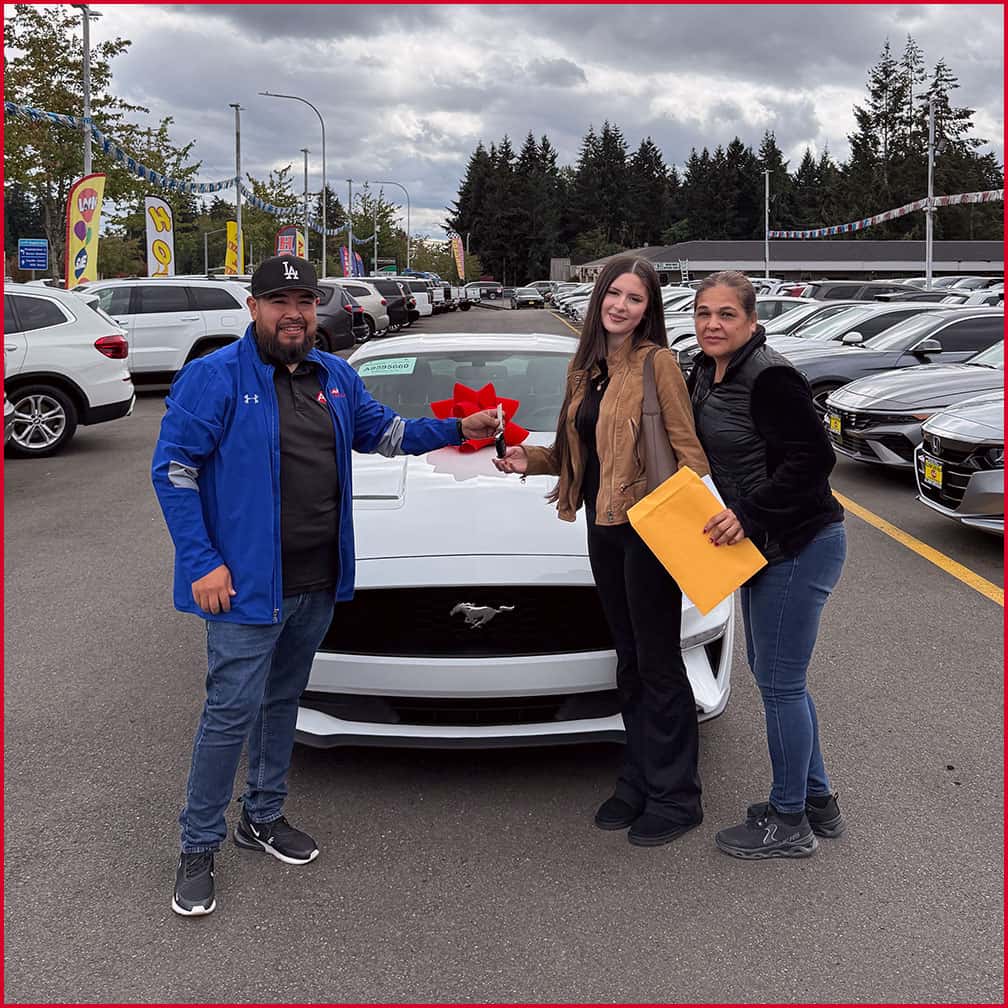 Buying a used car in Federal Way, WA, can be a practical way to get the vehicle you need without paying the price of a new model. But how do you know whether you’re choosing the right one? Along with checking its condition and history, you’ll need to consider what protection comes with the purchase.
That’s where certified pre-owned (CPO) vehicles come in. They typically undergo a manufacturer-approved inspection and include additional warranty coverage. However, they also tend to cost more than comparable non-certified used cars.
So, is CPO worth the extra cost, or can you find similar value in a regular used vehicle? Understanding the differences can help you decide where to put your money before visiting a dealership.
What Is a Certified Pre-Owned Car?
A certified pre-owned car is a used vehicle that meets an automaker’s specific requirements for age, mileage, condition, and service history. It must also pass the manufacturer’s inspection process to qualify for its official CPO program.
Depending on the manufacturer, certification may include:
- Multi-point inspection: A technician checks specific vehicle components against the automaker’s standards.
- Additional warranty coverage: The vehicle may receive an extension of its original factory warranty or separate CPO coverage.
- Roadside assistance: Some programs provide help with eligible roadside emergencies.
- Additional ownership benefits: Certain manufacturers offer complimentary maintenance, trip interruption coverage, or other benefits.
The exact coverage and benefits depend on the automaker and its CPO program. Before buying, review the warranty documents and ask what is included.
Remember that a CPO vehicle is still a used car. Certification adds inspections and protection, but it doesn’t guarantee that the vehicle will never need repairs.
Manufacturer CPO vs. Dealer-Certified: What’s the Difference?
The word “certified” can mean different things depending on where you’re shopping. Before paying more for a vehicle advertised as certified, find out who backs the certification.
Manufacturer-certified CPO
An official manufacturer CPO vehicle belongs to an automaker’s certification program. It must meet that manufacturer’s eligibility requirements and inspection standards, and its warranty is backed by the automaker.
For example, a certified pre-owned Toyota must qualify under Toyota’s CPO program. These vehicles are sold through dealerships authorized to participate in the manufacturer’s program.
Dealer-certified used vehicles
Some dealerships use terms such as “dealer-certified” to describe vehicles that have undergone their own inspection or reconditioning process. They may also offer a dealer-provided warranty or third-party vehicle service contract.
However, dealer certification is not the same as manufacturer-backed CPO certification. Inspection standards, warranty providers, repair locations, and coverage can vary.
Before buying, ask for the inspection details and warranty documents. Check who pays for covered repairs, where you can have the work done, and what exclusions or deductibles apply.
How Much More Does a CPO Car Cost?
Certified pre-owned vehicles generally cost more than comparable non-certified used cars. The added price reflects the inspection process, any required repairs, certification fees, and additional warranty benefits.
For shoppers in Federal Way, nearby dealership listings provide a useful snapshot of CPO asking prices. Recent examples include:
- A 2023 Honda Accord EX with 27,483 miles listed for $25,698 at Honda of Fife.
- A 2025 Mazda CX-5 2.5 S Select AWD with 14,636 miles listed for $26,970 at Puyallup Mazda.
- A 2024 Mazda CX-90 Plug-In Hybrid Premium with 41,150 miles listed for $27,670 at Puyallup Mazda.
These are examples of advertised CPO prices in nearby communities, not Federal Way market averages or direct comparisons with non-certified vehicles. Listings and prices can change.
To determine whether certification is worth the extra cost, compare vehicles with similar model years, mileage, trims, and condition. Also consider the complete purchase cost, including:
- Vehicle price, taxes, and fees
- Financing interest and loan term
- Insurance premiums
- Expected maintenance and repair costs
- Any additional warranty or service contract expenses
A CPO vehicle may be worth paying more for if its warranty and added benefits meet your needs. However, a well-maintained regular used car may offer better value if it has a documented history and passes an independent inspection.
CPO vs. Used Car: Pros and Cons
Both options can make sense depending on your budget, priorities, and expectations. Here’s what to consider before choosing.
Benefits of Buying a CPO Vehicle
- Additional warranty protection: Manufacturer-backed coverage can help with eligible repairs beyond the original factory warranty.
- Established inspection standards: The vehicle must meet the automaker’s requirements before receiving certification.
- Newer vehicle selection: Many CPO programs focus on relatively recent models with mileage limits.
- Extra ownership benefits: Depending on the program, you may receive roadside assistance, maintenance, or other perks.
Drawbacks of Buying a CPO Vehicle
- Higher upfront cost: Certification and added coverage typically increase the asking price.
- Limited selection: Only vehicles that meet the manufacturer’s eligibility requirements can qualify.
- Warranty restrictions: Coverage has specific time limits, mileage limits, exclusions, and conditions.
- No guarantee against repairs: A certified vehicle can still develop mechanical problems.
Benefits of Buying a Regular Used Car
- More affordable options: Non-certified vehicles generally cost less than comparable CPO models.
- Wider inventory: You can compare more makes, models, years, mileage ranges, and price points.
- Potential for better value: A well-maintained vehicle with a documented history may offer good value without the CPO price premium.
Drawbacks of Buying a Regular Used Car
- Different inspection standards: The inspection process depends on the dealership or seller.
- Varied warranty coverage: Some vehicles include limited coverage, while others may have no additional warranty.
- More research required: You’ll need to review the vehicle history, condition, maintenance records, and available protection carefully.
A non-certified used car isn’t automatically a poor choice. The important thing is to evaluate the individual vehicle rather than relying on its certification label alone.
Is CPO Worth It?
A certified pre-owned vehicle may be worth the extra expense if you want a relatively recent model with manufacturer-backed warranty coverage and a documented inspection process.
CPO may be a good fit if you:
- Want additional protection against certain unexpected repair costs.
- Prefer a vehicle that meets specific manufacturer age and mileage requirements.
- Value the convenience of an established certification program.
- Find a CPO vehicle with a reasonable price premium and useful warranty benefits.
A regular used car may be the better choice if you:
- Want to keep your initial purchase price lower.
- Have found a vehicle with a good maintenance and ownership history.
- Are willing to arrange an independent mechanical inspection.
- Prefer to compare optional warranty coverage separately.
There’s no universal answer. Compare the vehicle’s condition, purchase price, warranty, and expected ownership costs before deciding whether certification is worth paying for.
5 Tips for Buying a Used Car in Federal Way, WA
Whether you’re shopping for a CPO vehicle or a regular used car, taking a few extra steps can help you make a more informed purchase.
- Review the vehicle history report.
Ask for a vehicle history report and check the available information about previous ownership, reported accidents, title records, and other reported events. A history report can help identify potential concerns, but it may not contain every incident or repair.At All Right Auto Sales, every vehicle comes with an AutoCheck vehicle history report. You can also read our guide on how to read a vehicle history report to understand what the information means. - Check the mileage and maintenance history.
Mileage is one factor to consider when evaluating a used car, but it shouldn’t determine your decision on its own. A higher-mileage vehicle with consistent maintenance may be a better choice than a lower-mileage car with an unclear service history.Use our used car mileage guide to learn what to consider when comparing vehicles. - Arrange an independent inspection.
An independent mechanical inspection can give you another perspective on a vehicle’s current condition. A mechanic can check important components and identify potential issues that may not be obvious during a test drive.The Washington State Attorney General recommends having a used vehicle inspected by a mechanic you trust before buying. Review our pre-purchase inspection checklist to help prepare. - Understand the warranty before signing.
Ask whether the vehicle comes with manufacturer coverage, a dealer warranty, or an optional service contract. Read the documents carefully and check the covered components, exclusions, deductibles, duration, and repair requirements.Don’t rely on verbal promises alone. Ask for important warranty terms in writing and make sure you understand what is covered before completing the purchase. - Compare financing and total ownership costs.
Your monthly payment is only one part of the purchase. Consider the loan’s annual percentage rate (APR), payment term, total interest, insurance, and expected maintenance expenses.You can use the ARAS payment calculator to estimate monthly payments and get pre-qualified to explore financing options before visiting the dealership.
Explore Used Cars for Sale in Federal Way at All Right Auto Sales
You don’t necessarily need to pay a CPO premium to find a used vehicle that meets your needs. A vehicle’s history, condition, inspection results, and available warranty coverage are all important parts of the buying decision.
At All Right Auto Sales, we help drivers in Federal Way and surrounding Washington communities explore pre-owned cars, trucks, and SUVs at different price points. Every vehicle comes with an AutoCheck vehicle history report, giving shoppers access to information about its reported history before making a decision.
Whether you’re comparing vehicles or preparing to buy, take time to review your options and choose a vehicle that fits your needs and budget.
Ready to find your next vehicle? Browse our used car inventory, explore our financing options, or value your trade-in. You can also schedule a test drive or contact All Right Auto Sales to get started.
0 comment(s) so far on Certified Pre-Owned Explained: Is CPO Worth the Extra Cost?